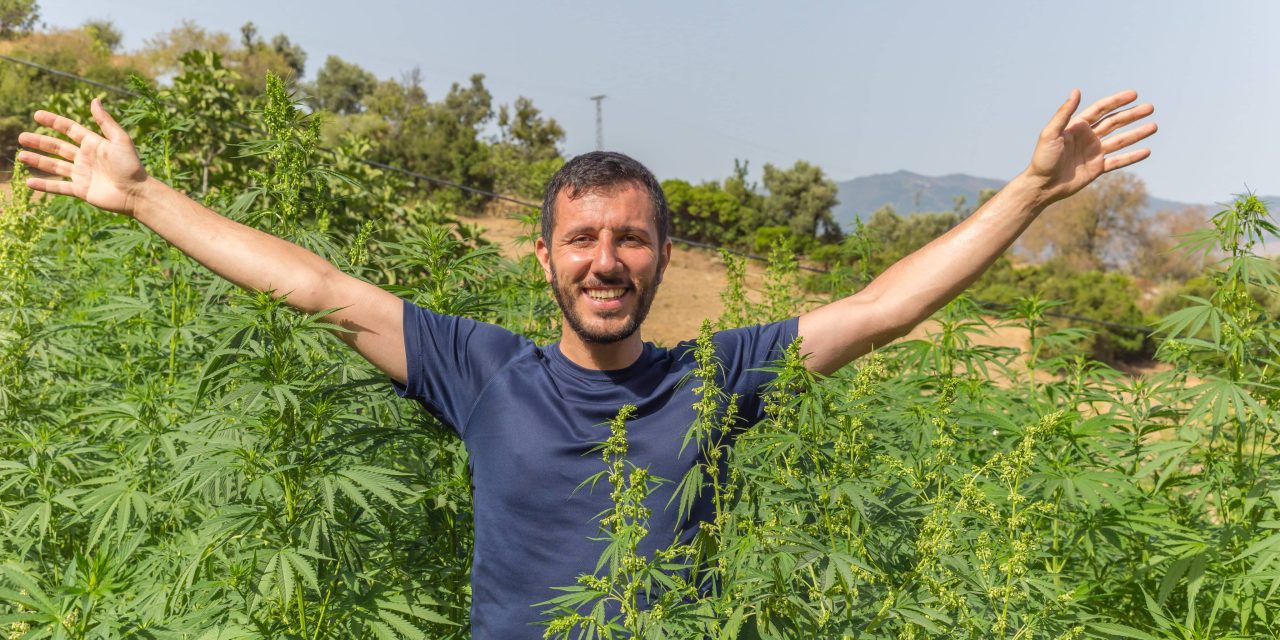
Morocco’s Push for Cannabis Legalization: A Potential $15 Billion Industry
In a bold move, the people of Morocco are demanding the government to finally legalize cannabis. And with good reason – the country is the world’s top producer of hashish, with a thriving black market that supplies Europe and beyond.
But the tide may be turning. Three years ago, the plant was approved for export, leading to continued production in the fertile Rif region. And now, the National Agency for the Regulation of Activities Related to Cannabis (ANRAC) is celebrating the growth of legal cannabis by visiting farms and gaining global attention.
While cannabis has been illegal in Morocco for the past six decades, a recent law passed by parliament allows for its cultivation for pharmaceutical and industrial purposes. This move could potentially generate a whopping $15 billion for the country.
“In Morocco, opening a discussion is necessary because regulating cannabis for medical and industrial purposes will not eliminate the existing black market,” explains Shakib Al Khayari, coordinator of the Moroccan Coalition for Medical and Industrial Use of Cannabis.
However, there is still hesitation and fear among farmers, who have long relied on the black market for income. Despite a state plan to ensure equal financial benefits for indigenous peoples in the cannabis industry, many farmers are skeptical and prefer to stick to the black market to avoid upfront costs, administrative hurdles, and quality control.
Additionally, a significant shift in production would be necessary, which could raise costs for farmers. Khalid Mouna, a professor at Moulay Ismail University in Meknes who studies Morocco’s cannabis economy, explains, “Cannabis has been part of the region’s economy for centuries, and changing it overnight will face resistance.”
Complicating matters further, some farmers trust the cartels more than the government due to the extreme laws and enforcement practices surrounding cannabis. An arrest for cannabis can result in a 10-year jail sentence and a fine, and many farmers have experienced police burning their crops, leaving them without food or livelihoods.
However, the state agency sees the potential for legal cannabis businesses to increase farmers’ revenues four or fivefold, especially if legalization goes beyond just medical use. “The real opportunity for Morocco in the long term lies in recreational use,” says Alastair Moore, co-founder of cannabis-focused consultancy Hanway Associates. “That’s where their brand is.”
The recent news of significant growth in the legal cannabis industry comes after a successful year of harvesting, with 294 metric tons produced in the first legal harvest. With the country’s approval of cultivation and export for medical and industrial purposes, Morocco’s cannabis industry is poised to become a major player in the global market.