The Rise of a New Cannabis Economy: How a Decimal Point in Law Opened the Gates to Lab-Cooked Cannabinoids
In 2018, Congress made a seemingly small change to the law that had a big impact on the cannabis industry. The Farm Bill’s definition of hemp, which is any cannabis plant with less than 0.3% delta-9 THC on a dry weight basis, unintentionally opened the doors to a new market for lab-made cannabinoids. While the original intention was to revive traditional uses of hemp such as rope and seed oil, entrepreneurs quickly saw the potential for extracting CBD and manipulating molecules to create new substances like delta-8, delta-10, THCP, and THC-O.
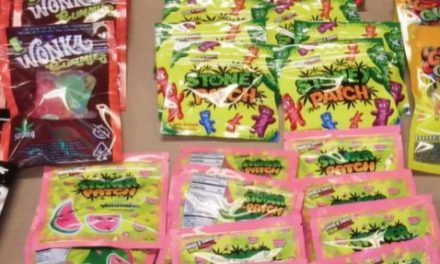
The best part for these bold entrepreneurs? It’s technically legal. In states where cannabis is still prohibited, like Texas, you can’t buy a joint of real weed, but you can walk into a vape shop and purchase hemp-derived highs. This loophole in prohibition has given rise to a whole new industry, with products popping up in gas stations, truck stops, and online stores. What started as a simple legal definition has evolved into a thriving alchemy business, operating in plain sight.
By 2024, the “intoxicating hemp” sector had already grown into a $28 billion market. But with this growth comes political pushback. Senator Mitch McConnell, who initially championed hemp as a way to support Kentucky farmers, is now facing pressure from House Republicans to narrow the definition of hemp to only include “naturally occurring, non-intoxicating cannabinoids.” This would effectively eliminate delta-8, a popular product in the hemp market. Meanwhile, Senator Debbie Stabenow is proposing to count “total THC,” which would essentially shut down the raw biomass trade altogether. And there are even talks of completely erasing hemp-derived products from the market.
However, it’s unlikely that these extreme measures will come to pass, as the hemp lobby has grown alongside the market. This is a prime example of how economic interests can lead to the formation of powerful lobbyists, who then work to protect the policies that benefit them. It’s a stark contrast to the failure of the carbon credit market, where economic interests were not enough to create a strong lobby and the policy ultimately suffered when political winds shifted.
The unintentional creation of a new business through a small change in law is a lesson to be learned. As we face increasingly urgent issues like climate change, it’s important to consider the unintended consequences of our actions and to carefully craft policies that will have a positive impact in the long run. In the case of hemp, the accidental creation of a new market has sparked a debate over how to regulate and control it, highlighting the need for thoughtful and intentional policymaking.